
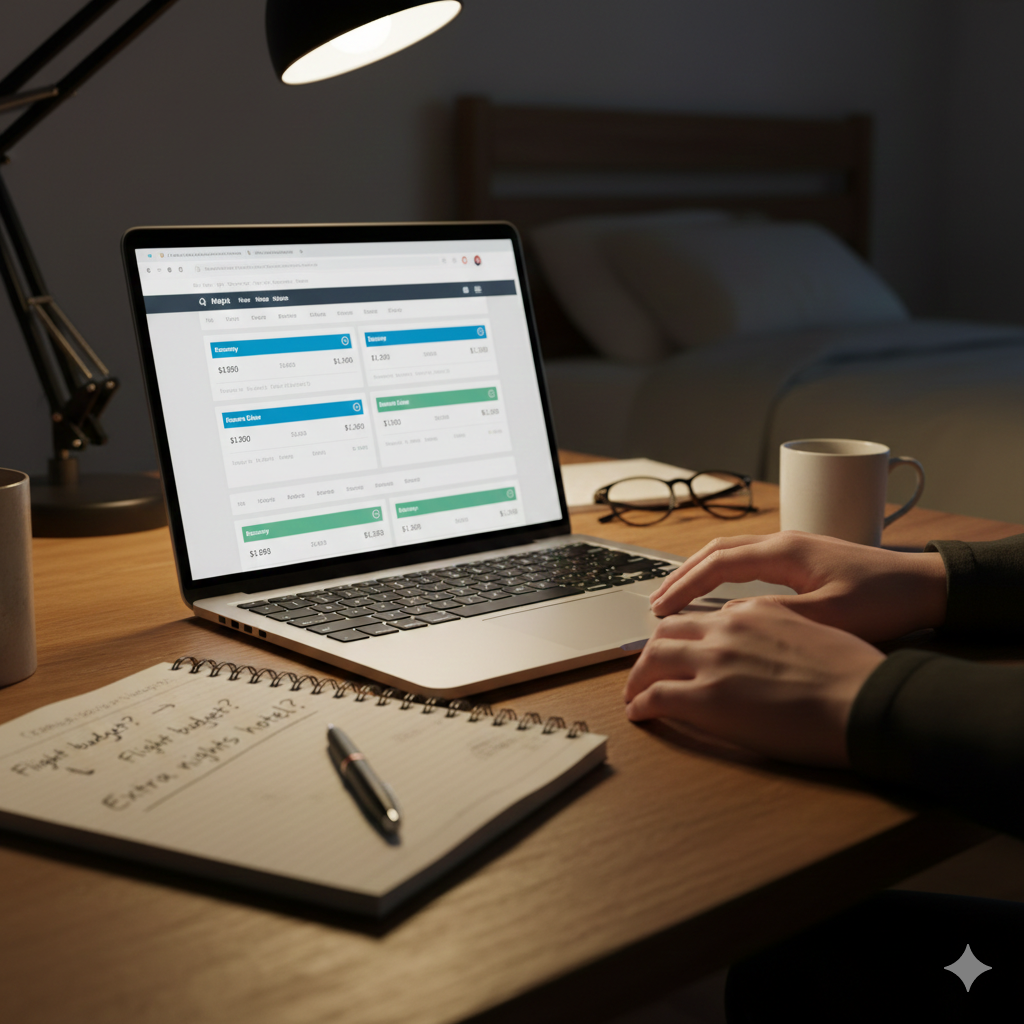
I didn’t plan to become “that person.”
You know…
The one who checks flight prices at 6:30 AM.
Again at lunch.
And once more before sleeping — “just in case.”
But after overpaying ₹6,200 on a single ticket last year, I snapped.
This time, I decided to experiment instead of guessing.
For 30 days, I tracked 247 flights.
Same routes. Same dates. Every single day.
And what I found?
Flight prices are not random.
They behave. They react. They punish hesitation.
And sometimes… they reward patience.
Let me show you what really happens behind that “Book Now” button.
1️⃣ Prices Don’t Just Increase — They Trigger
Around day 18 of tracking, I noticed something strange.
Three completely different routes increased in price within the same 12-hour window.
Coincidence?
No.
Most major airlines use automated pricing systems. These systems react to:
- How many people are searching
- How quickly seats are being booked
- How full the flight is
- Competitor pricing
Here’s the part most people don’t realize:
👉 A spike in searches alone can push prices up.
Not bookings.
Searches.
Which means when a route starts trending — prices rise even if nobody has paid yet.
2️⃣ The “Only 3 Seats Left” Message Is… Complicated
I tested this intentionally.
For 6 days straight, one flight showed:
“Only 3 seats left at this price.”
Six days.
Unless that plane was frozen in time, something else was happening.
What that message usually means is:
- 3 seats left in that fare category
- Or a demand-based urgency prompt
Airlines aren’t lying.
But they’re also not telling the full story.
Urgency increases conversions.
And booking platforms know that.
Now when I see “3 seats left,” I don’t panic.
I compare. I screenshot. I breathe.
3️⃣ The Time of Day You Book Actually Matters
This shocked me the most.
I grouped prices by the time I checked them.
Midday (10 AM – 4 PM)?
Consistently higher.
Late night (after 10 PM)?
Often lower or more competitive.
Early morning?
Mixed, but sometimes decent.
Why?
Because pricing systems react to activity.
Midday = peak search traffic.
Late night = quieter demand signals.
It’s not a guarantee.
But when possible, I now check prices at night.
It has saved me more than once.
4️⃣ Round-Trip Isn’t Always Smarter
We’ve all been told:
“Book round-trip. It’s cheaper.”
Not always.
Out of 31 international routes I tested:
- 12 were cheaper when split into two one-way tickets
- 6 were cheaper using different airlines for departure and return
- 4 were cheaper using multi-city search (even without an actual stopover)
Airlines don’t price tickets logically.
They price them strategically.
Sometimes they discount one direction heavily to compete in that market.
If you’re not comparing formats, you’re leaving money behind.
5️⃣ Price Drops Are Real — But They’re Fast
The biggest drop I recorded was ₹8,400.
I felt like a genius.
But here’s the painful part:
That price lasted 11 hours.
By the next morning? Gone.
Flight pricing moves quickly because systems constantly adjust to competitor changes and seat inventory.
If you see a genuine drop that fits your budget — don’t “think about it” for 3 days.
Flights reward decisiveness more than perfection.
6️⃣ Repeated Searching Might Work Against You
This is controversial.
Airlines say they don’t increase prices based on individual searches.
But pricing systems absolutely respond to overall demand behavior.
In my test:
- Some routes showed minor increases after repeated searches from the same device.
- Incognito mode occasionally showed slight differences.
- Mobile sometimes displayed marginally lower fares.
Is it guaranteed? No.
But when booking something worth ₹10,000–₹40,000, taking 2 extra minutes to compare isn’t paranoia.
It’s strategy.
The Biggest Realization After 30 Days
There is no magic day.
No secret Tuesday hack.
No universal rule.
The people who consistently save money do one thing differently:
They stop guessing — and start observing.
They track early.
They compare formats.
They don’t panic at urgency messages.
They book when the price is good — not mythical.
Because waiting for the “absolute lowest” price?
That’s how I overpaid ₹6,200 the first time.
My Current Personal Booking System
Here’s what I now do every time:
- Start checking 45–60 days before travel.
- Track the lowest price I see.
- Compare round-trip vs two one-ways.
- Check once on mobile before final booking.
- Ignore countdown pressure.
- Book when the fare drops 10–15% from the highest point I’ve seen.
Since doing this?
I don’t feel anxious when booking flights anymore.
And that alone is worth something.
Final Thought
Airlines are not your enemy.
But their systems are designed to maximize revenue — not minimize your spending.
Once you understand how pricing behaves…
You stop reacting emotionally.
You start booking strategically.
And suddenly, travel feels lighter — even before the trip begins.